Your Wallet Has Moved Into Your Phone. Can It Help You Save?
Hello, friends,
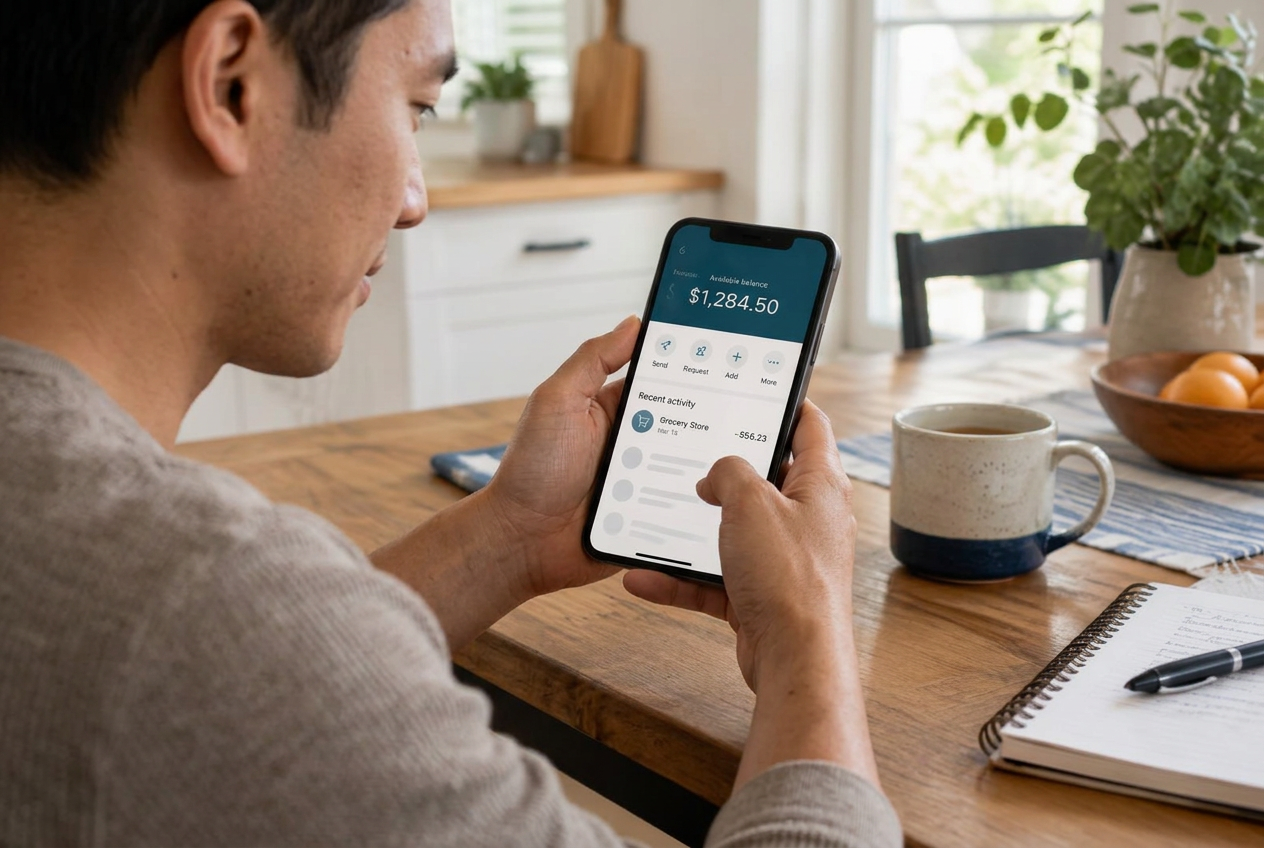
There was a time when leaving home without your wallet meant turning around. Now you might get halfway through buying groceries before realizing your cards are still on the kitchen table. Your phone, meanwhile, is right where it always is.
Digital wallets have made paying online, sending money, and checking recent transactions remarkably easy. But can they actually help you save money? Yes, if you use that convenience with a little intention. The wallet does not do the saving for you. (If it did, we would all have downloaded three.)
First, what is a digital wallet?
Think of it as a way to store or access payment methods on a phone or computer. Some wallets let you use a linked debit or credit card at checkout. Others let you hold a balance, send money, or receive it. Those details matter: two apps that look similar may handle your money quite differently.
And this is no small shift. The World Bank’s Global Findex 2025 (opens in a new tab) found that 62% of adults surveyed made or received a digital payment in 2024, up from earlier years. Digital payments include more than wallets, but the figure shows how ordinary managing money through a screen has become.
Where the savings can happen
You can see the little purchases. A transaction history gives you a place to review what you spent without collecting a small mountain of receipts. That $6 purchase may be perfectly worthwhile. Seeing five of them in one week simply lets you decide.
You can compare the whole cost before you send money. One service may advertise a low transfer fee while offering a less favorable exchange rate or charging the recipient to withdraw. This matters especially when sending money across borders. The U.S. Consumer Financial Protection Bureau has warned that a transfer described as “free” can still carry currency conversion or withdrawal costs. Compare how much the other person will actually receive.
You may be able to skip a speed fee. Some payment services charge to move money to your bank faster. If you do not need it immediately, check the price and timing of the standard option before tapping “instant.”
Here is the unglamorous secret: a digital wallet helps you save when it makes your choices clearer. It can also make spending wonderfully, dangerously easy. The same quick checkout that saves you time can help an impulse purchase slip through.
A five-minute wallet check
Before your next online payment, try this:
- Look at the final amount, including fees, taxes, and any currency conversion.
- Check which card or account will be charged.
- Review your recent transactions and spot one expense you had forgotten.
- Pause before sending money. Confirm the recipient’s details, especially if this is your first payment to them.
- Check what happens to money left in the app. Payment-app balances do not all have the same deposit insurance protections as money held in an insured bank account.
You do not need to become a payments expert to make a better decision. You just need to know where the money starts, what the transaction costs, and where it ends up.
Digital wallets are changing online transactions because they put more of that process in your hand. The best part is not paying with one tap. It is having enough information to know whether you want to.
Curious about digital money? Stay with TheBridge.Learn. We will take it one useful question at a time.